
Jean Coper
InCLine 2025 Ignites Climate Action in the Schools of Quezon City and Caloocan City

350 Pilipinas, Lasallian Institute For the Environment, and Amnesty International, and leaders from high schools in Quezon City and Caloocan City posed for a group photo with their finished activity outputs. The one-day activity highlighted youth-led climate initiatives that students can practice towards building sustainable and resilient learning spaces. Photo: Nadia Cruz
Last November 26, 2025, in observance of National Environmental Awareness Month, Global Warming and Climate Change Consciousness Week, and World Sustainable Transport Day, more than 40 senior high school student leaders gathered at the Tandang Sora Women’s Museum for a powerful day of climate learning and youth-driven action.
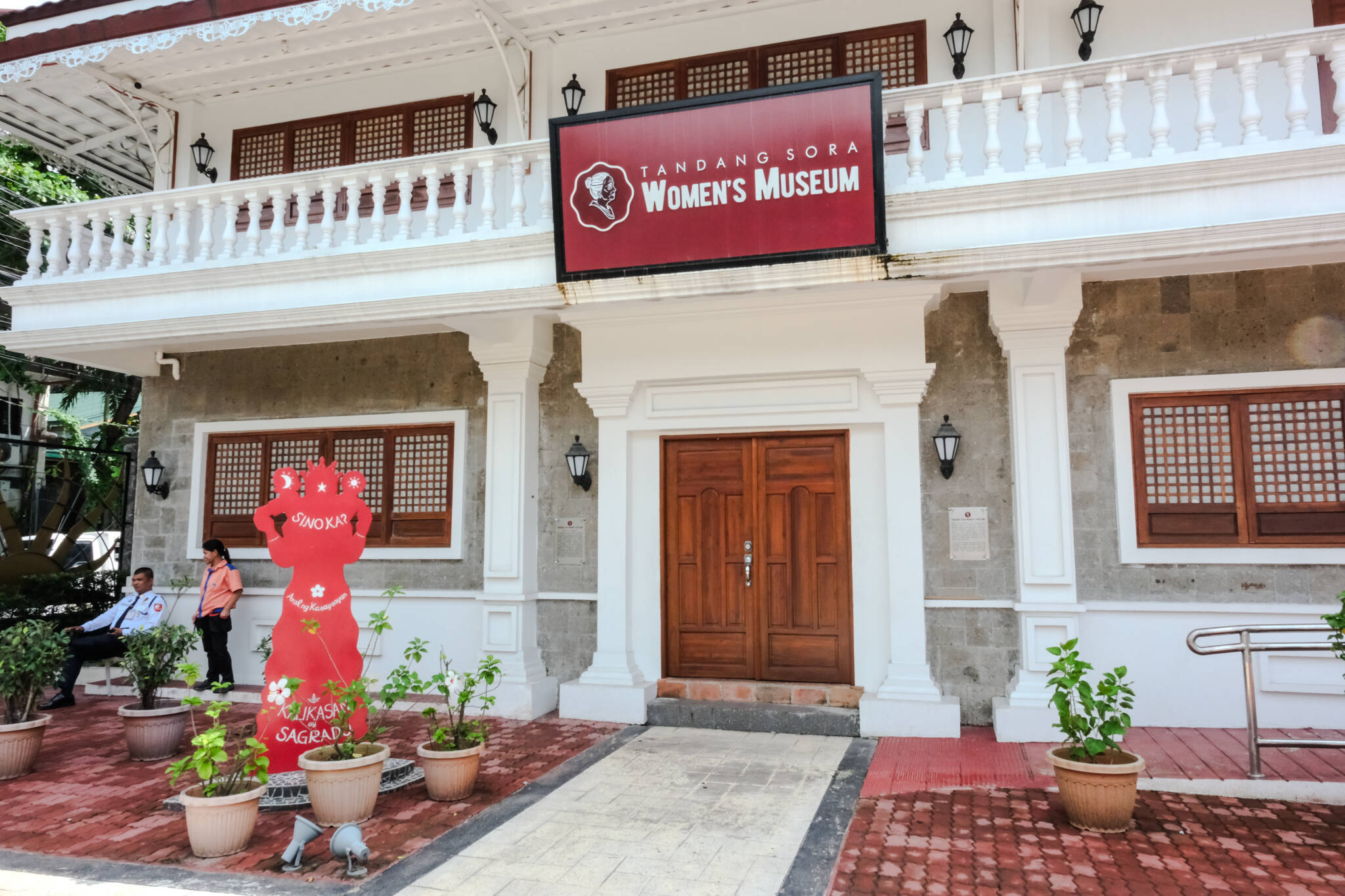
Front door of newly opened Tandang Sora Women’s Museum in Quezon City. The Museum honors the works and lives of Filipino Heroines. Photo: Nadia Cruz
The Institutionalizing Climate Leadership and Environmentalism (InCLine) Training 2025, themed “Science in Action: From Climate Crisis to Resilient Schools through Youth Leadership,” challenged our young leaders to transform climate knowledge into real, science-based solutions for their campuses and communities.

350 Pilipinas, Lasallian Institute For the Environment, and Amnesty International held its 𝐈𝐧stitutionalizing 𝐂𝐥𝐢mate Leadership a𝐧d 𝐄nvironmentalism (𝐈𝐧𝐂𝐥𝐢𝐧𝐞) at Tandang Sora Women’s Museum. This Training gathered student leaders from high schools in Quezon City and Caloocan City for a day of learning, collaboration, and youth-led climate action at the Tandang Sora Women’s Museum in Quezon City. This year’s theme: “𝑺𝒄𝒊𝒆𝒏𝒄𝒆 𝒊𝒏 𝑨𝒄𝒕𝒊𝒐𝒏: 𝑭𝒓𝒐𝒎 𝑪𝒍𝒊𝒎𝒂𝒕𝒆 𝑪𝒓𝒊𝒔𝒊𝒔 𝒕𝒐 𝑹𝒆𝒔𝒊𝒍𝒊𝒆𝒏𝒕 𝑺𝒄𝒉𝒐𝒐𝒍𝒔 𝒕𝒉𝒓𝒐𝒖𝒈𝒉 𝒀𝒐𝒖𝒕𝒉 𝑳𝒆𝒂𝒅𝒆𝒓𝒔𝒉𝒊𝒑” Photos: Nadia Cruz
Organized by Lasallian Institute For the Environment (LIFE), 350 Pilipinas, and in collaboration with Amnesty International Philippines, this one-day leadership training brought together student leaders from five different schools across Quezon City (Emilio Jacinto National High School, Melchora Aquino National High School, and Tandang Sora National High School) and Caloocan City (Kalayaan National High School and Caloocan National Science and Technology High School). The Youth for Environment in Schools Organization (YES-O) officers, Supreme Student Government (SSG) leaders, and Science Club members led the way in igniting the climate movement right in the heart of their schools.

Students participates in the icebreaker and grounding activities prepared by the organizers. Photos: Nadia Cruz
Throughout the morning session, participants unpacked the science behind the climate crisis and examined the inter-sectional issues of inequality, vulnerability, and community resilience.
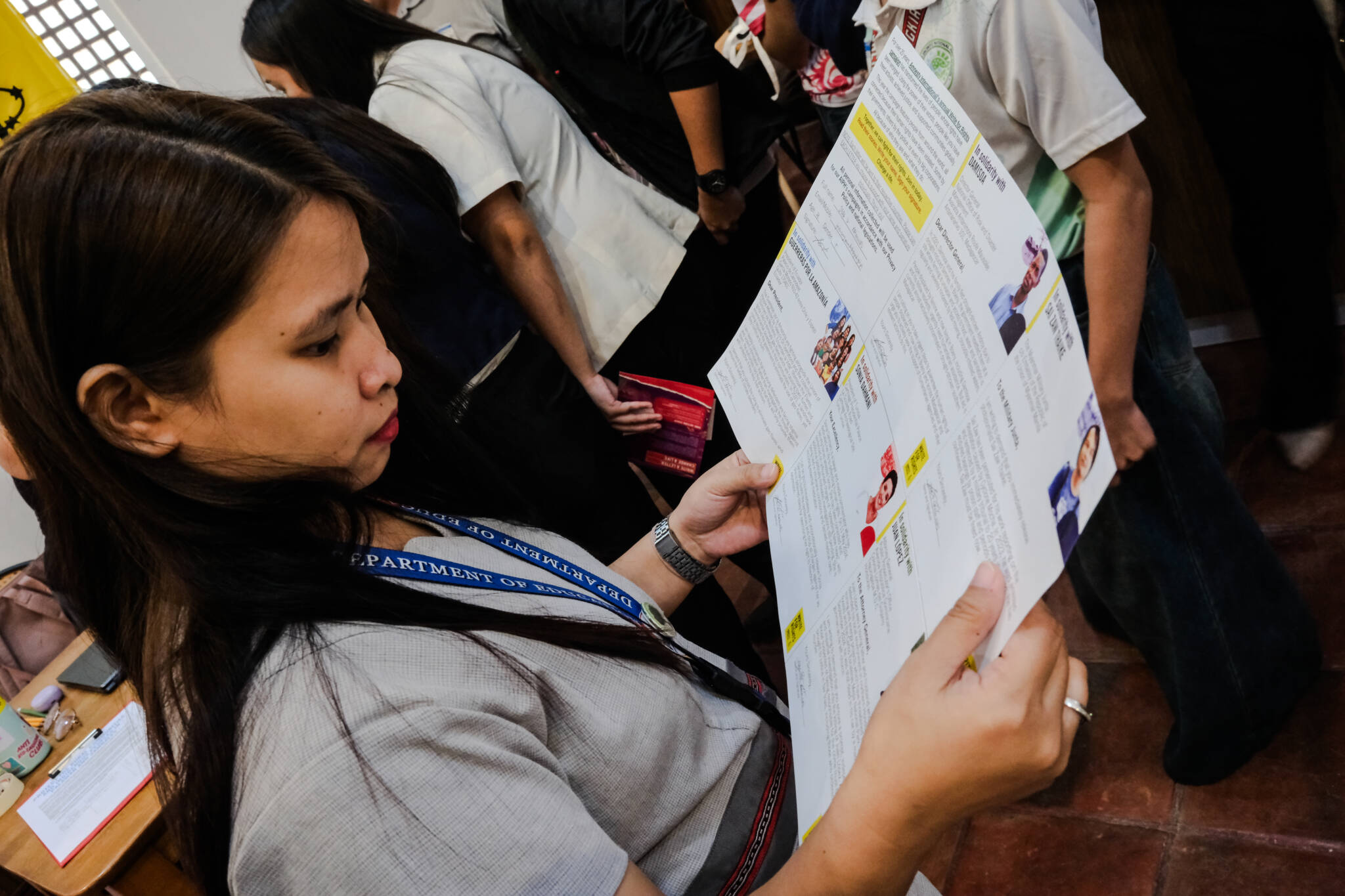
One of the highschool teachersreads a brochure about Amnesty Internationals’ campaigns on human rights all over the world. Photo: Nadia Cruz
They learned not only what the climate crisis is, but also why it impacts communities differently and how young leaders can help change that narrative.
Learning the Science and the Systems Behind It
In the afternoon session, they dove into the core of climate justice, exploring the climate emergency as both a scientific and social challenge, one that demands leadership, empathy, and collective action. Students were challenged to collaborate and take action for youth-led climate initiatives by creating campaigns and advocacy projects that promote climate justice and sustainability, in their schools and communities.
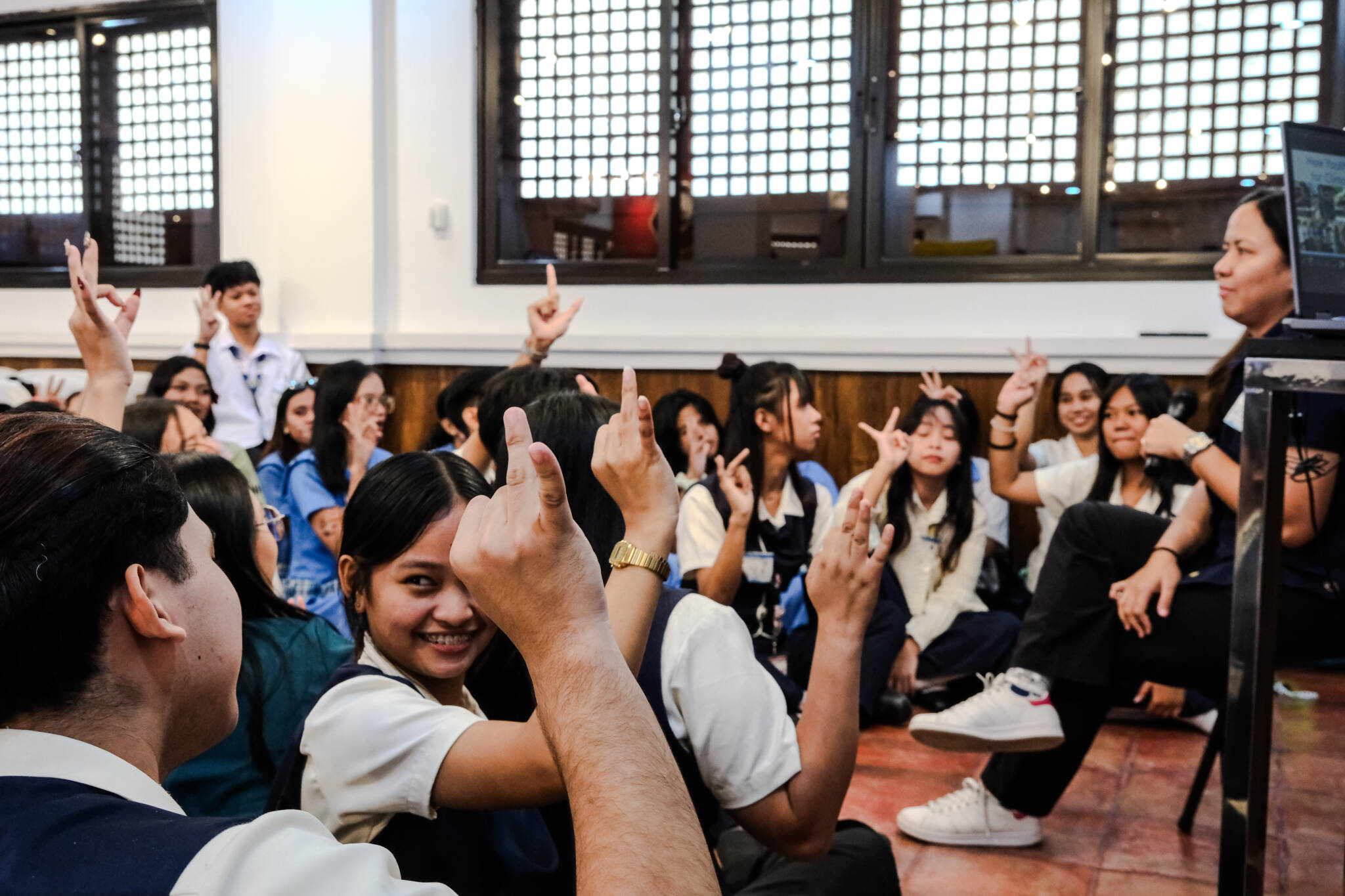
Students play ‘Put a Finger Down’ with 350 Pilipinas Youth Engagement Campaigner, Jean Coper. Questions explores students’ experiences as young-leaders and advocacies on climate and environment. Photo: Nadia Cruz
Armed with new knowledge, participants rolled up their sleeves and designed actionable, school-based climate projects—from improving waste management systems in their schools to help tackle flooding in their home communities, to promoting active mobility, including the crowd favorite, “Walk Day Friday,” a student-led initiative that encourages low-carbon commuting and sustainable transport.
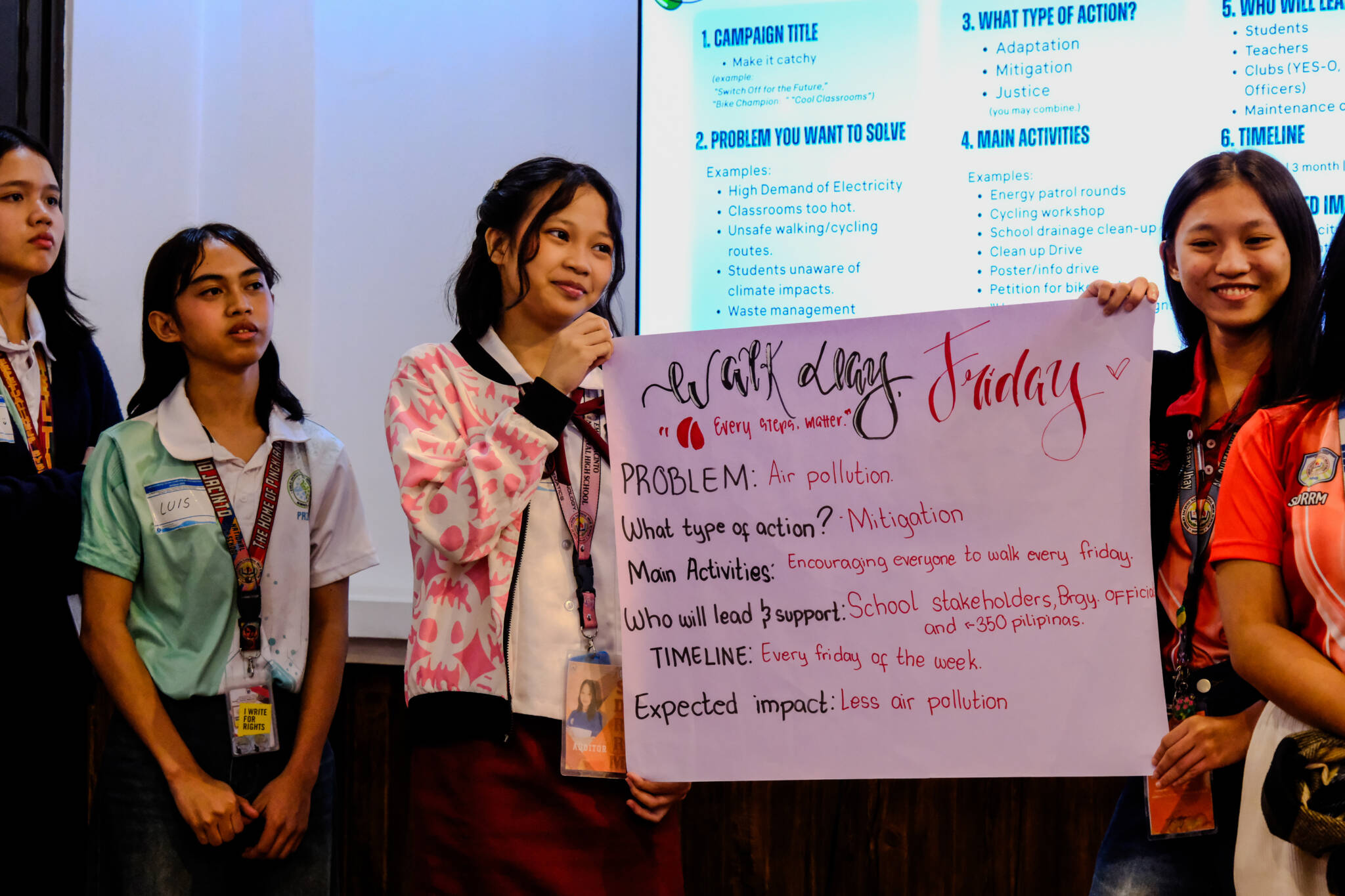
Students were assigned a group project to create a climate campaign that they could implement in their schools. At the end of the learning session, they presented their campaigns to other students. Photo: Nadia Cruz
I saw firsthand how their work embodied creativity, purpose, and heart—the true trademark of their outputs.
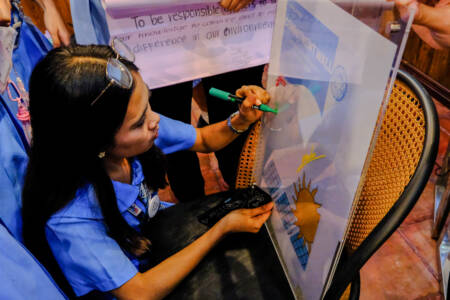
Before closing the program, students gathered for a reflective and empowering moment. They crafted their Climate Action Pledges, commitments rooted in responsibility, creativity, and care for our shared home.

Students recited their climate action pledges, sharing their commitments to a sustainable future as young leaders. Photo: Nadia Cruz
One by one, they signed the Commitment Wall, transforming personal pledge into a public promise of climate leadership. Even their club advisers joined in, standing side by side with the students, ready to guide and support their school-based initiatives.

Students sang, danced, and performed short skits as they creatively presented their climate campaigns. Photo: Nadia Cruz
This commitment was not just a ceremony, this action marked the beginning of a youth-led movement. That as they return to their schools, these young leaders bring with them fresh knowledge, sharpened advocacy skills, and a renewed sense of purpose. Most importantly, they carry with them the belief that their voices matter and their actions can spark lasting change.

InCLine 2025 is more than a training; it’s a launchpad for youth-led climate leadership.
And as early as now, we’re already looking forward to stronger partnerships and an even bigger, bolder InCLine 2026.