
Ogie Atadero
Casiguran, Aurora, a coastal town along the Pacific seaboard, is highly exposed to typhoons, floods, and storm surges, making both environment and disaster resilience a pressing concern for its communities.
At the same time, the municipality holds strong potential for renewable energy to increase the energy access, abundant solar resources, identified wind prospects in Aurora, and rivers suitable for micro-hydro systems. that can be harnessed to power evacuation centers, schools, and health facilities even during calamities.
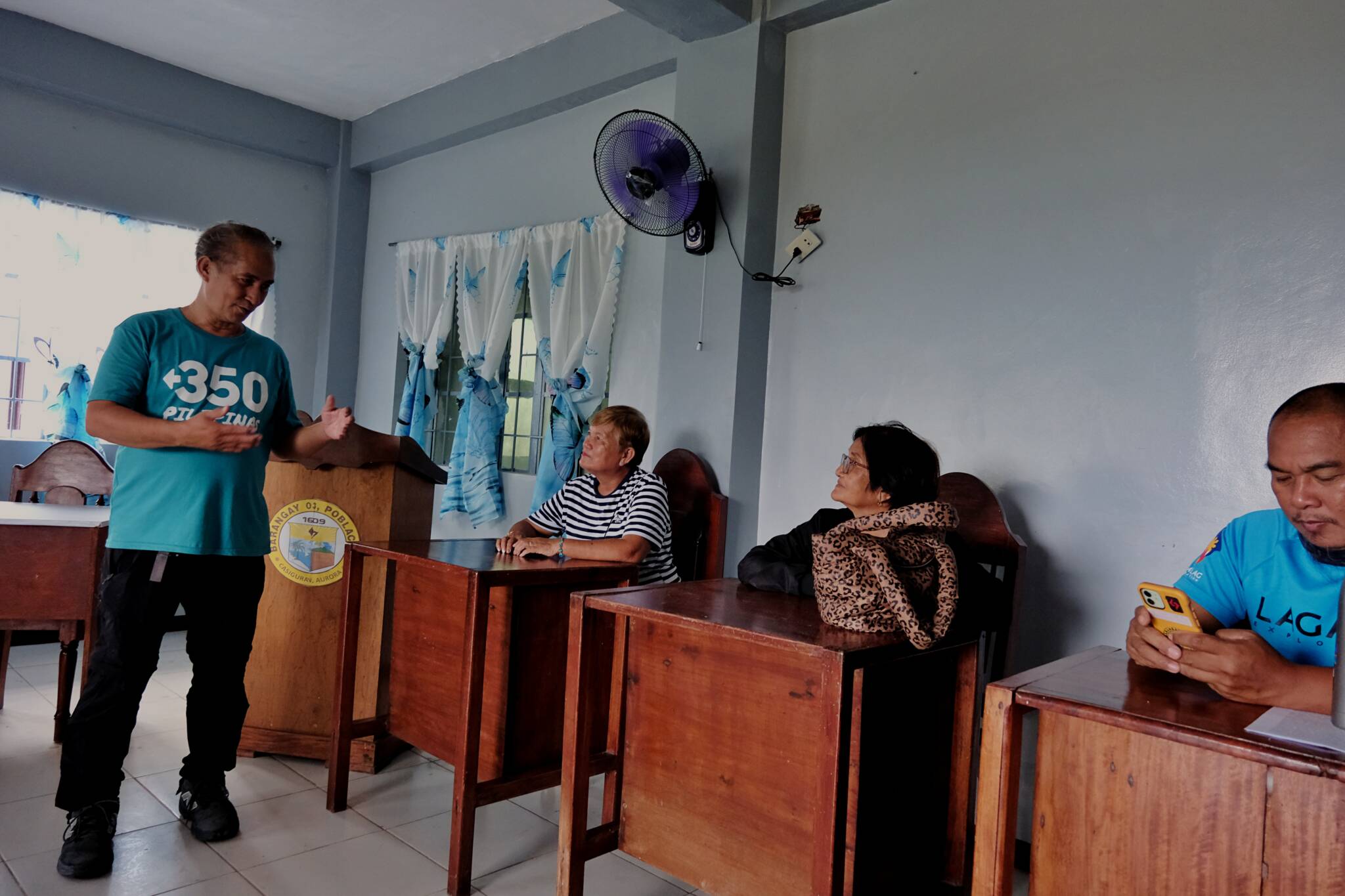
Integrating renewable energy into its local development and budget plans, and working in partnership with civil society, private sector, and academic institutions, Casiguran can strengthen energy security, reduce costs, and serve as a model for climate-vulnerable LGUs pursuing a just energy transition.
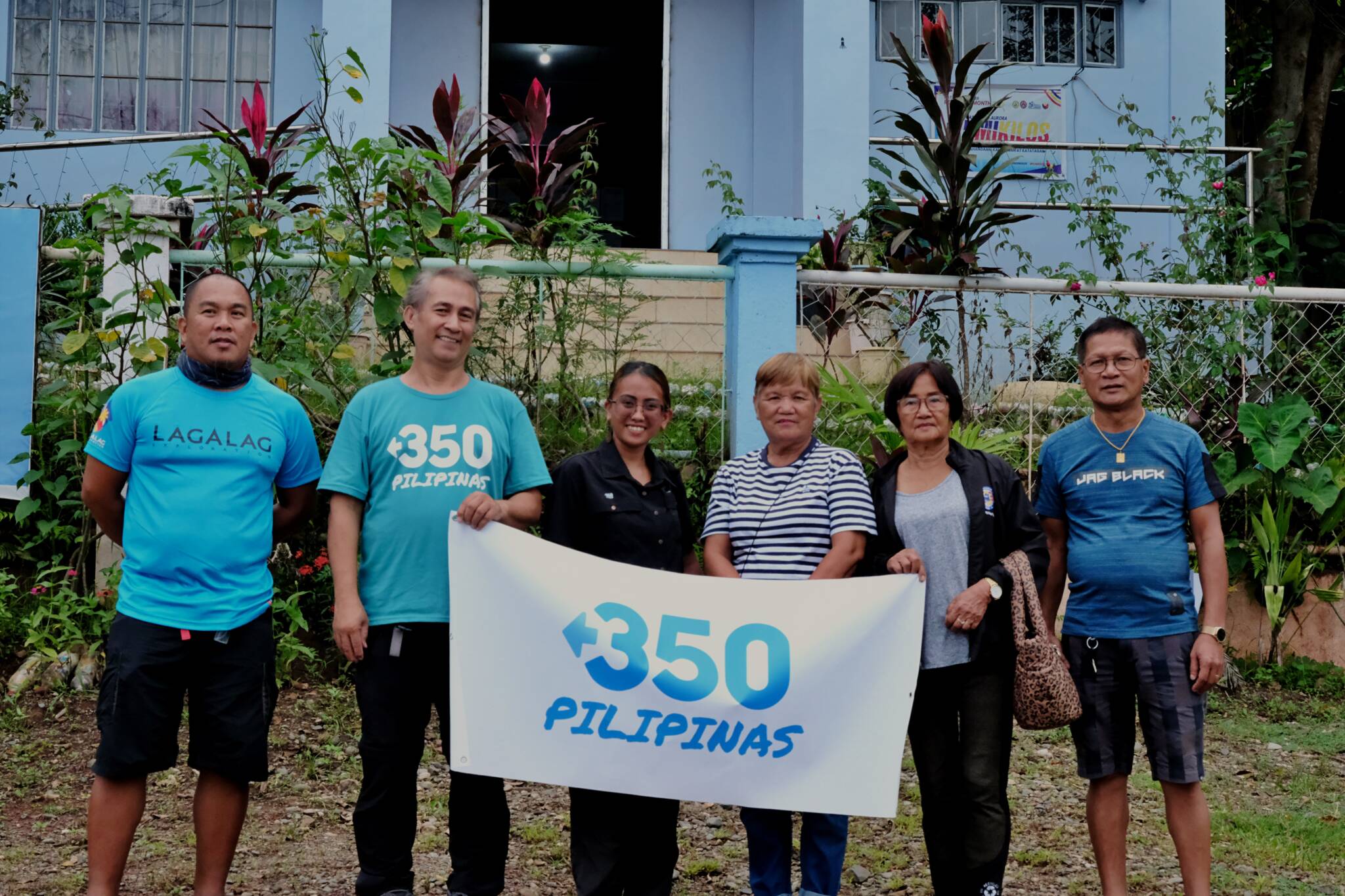
On Sept 9, 2025, it took over 10 hours from Metro Manila to reach Casiguran, Aurora, responding to an invitation from Punong Barangay (PB) Jesus Cezar of Barangay Dibet, —a long-time partner in environmental advocacy. Despite previous schedule changes, the trip was fueled by our commitment to build collaborative efforts on renewable energy (RE) adoption.
Upon arrival, we spent the night in the community and did a courtesy meeting with the Municipal Mayor, Roynald Soriano. The goal was clear: to foster a sustainable partnership, introduce potential capacity-building on basic energy audits, and spark community interest in renewable energy.
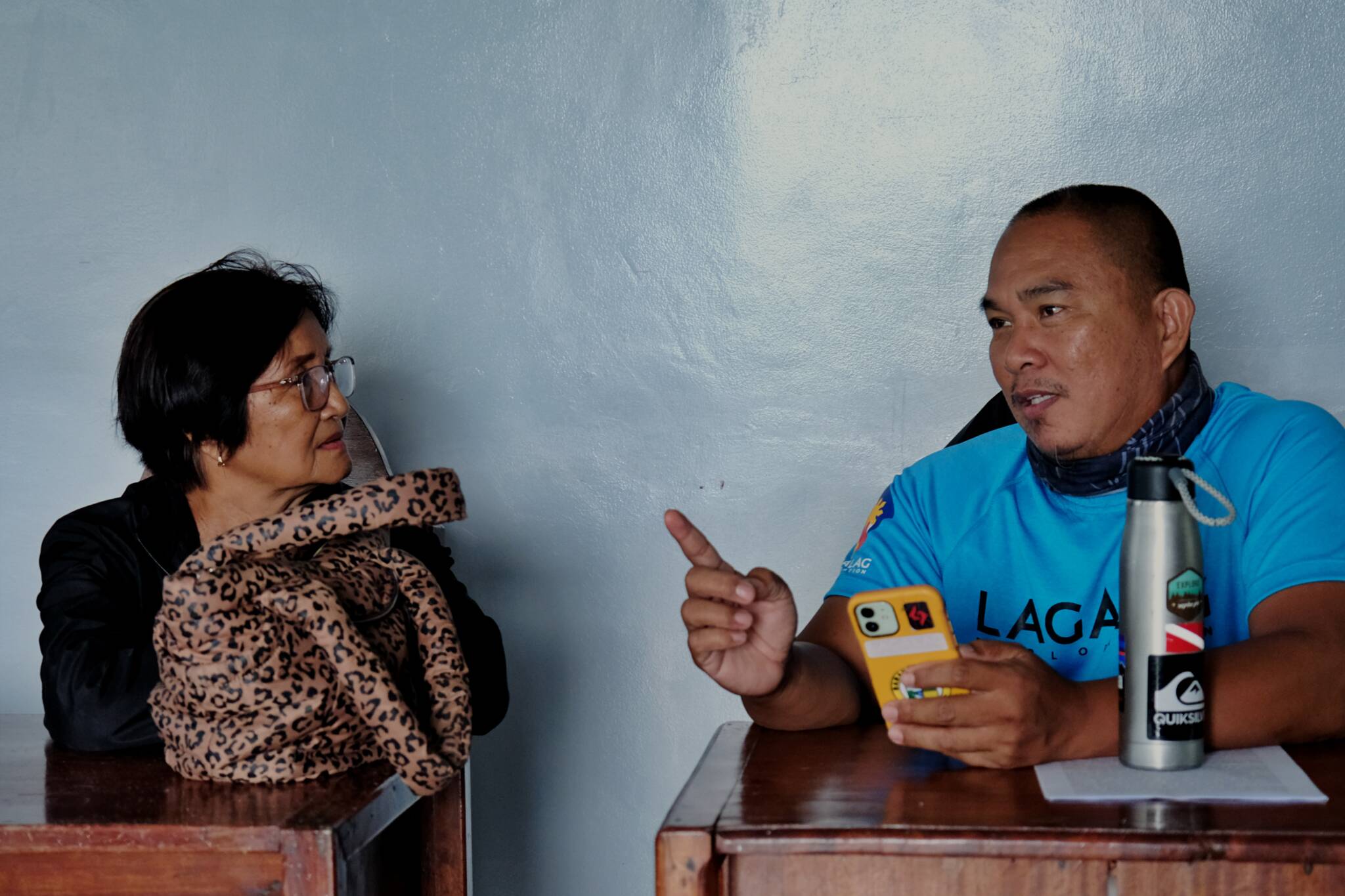
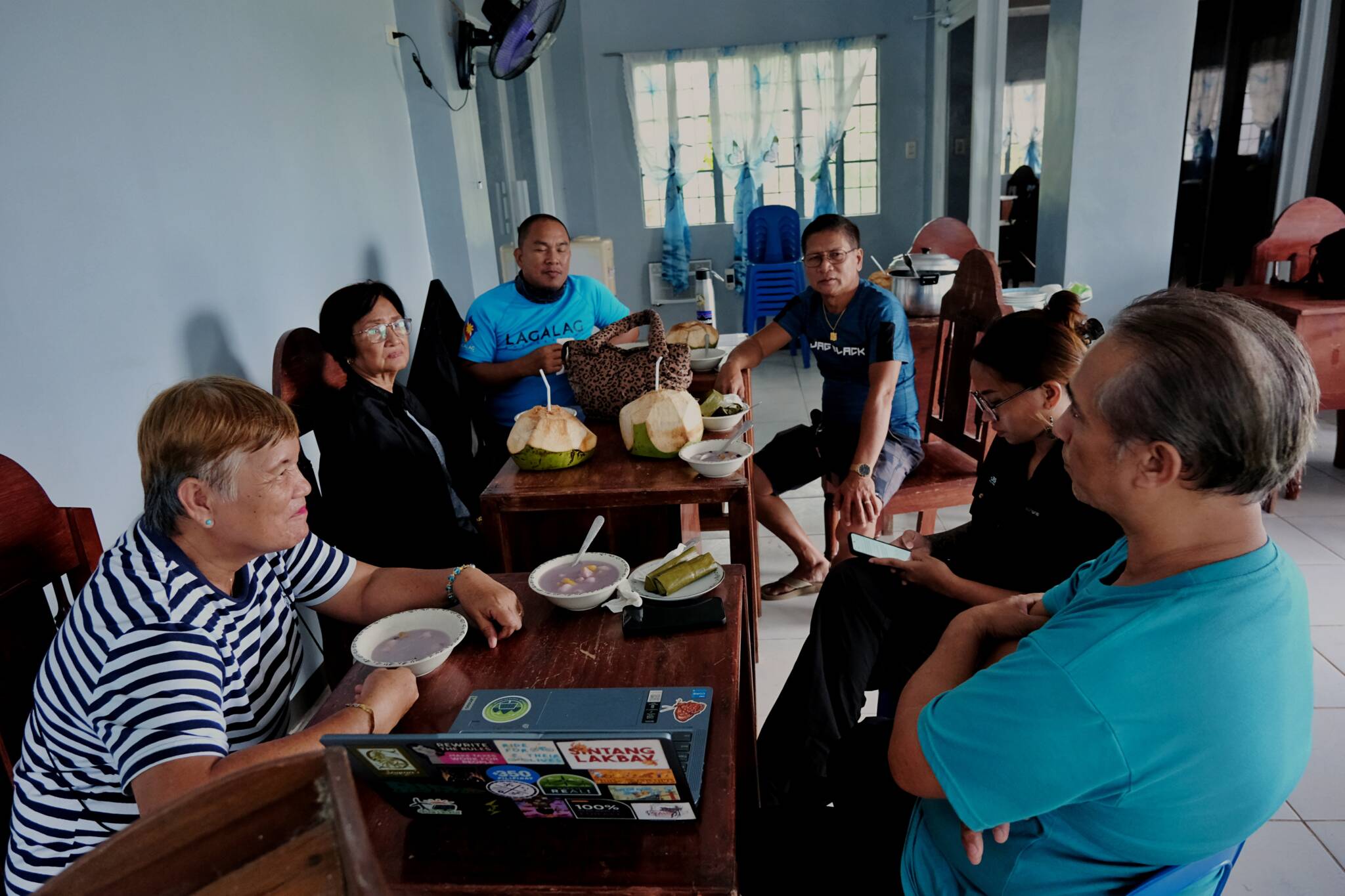
Afterwards, we organized a meeting with four barangay chairpersons at Barangay Tres, where we were warmly welcomed with ginataang bilobilo made with coconut milk, Casiguran’s primary crop. We presented 350 Pilipinas’ current movement-building efforts, including our pilot projects, particularly the community-owned charging stations being developed. The barangay leaders expressed interest in replicating these initiatives, especially the mobile charging station model.
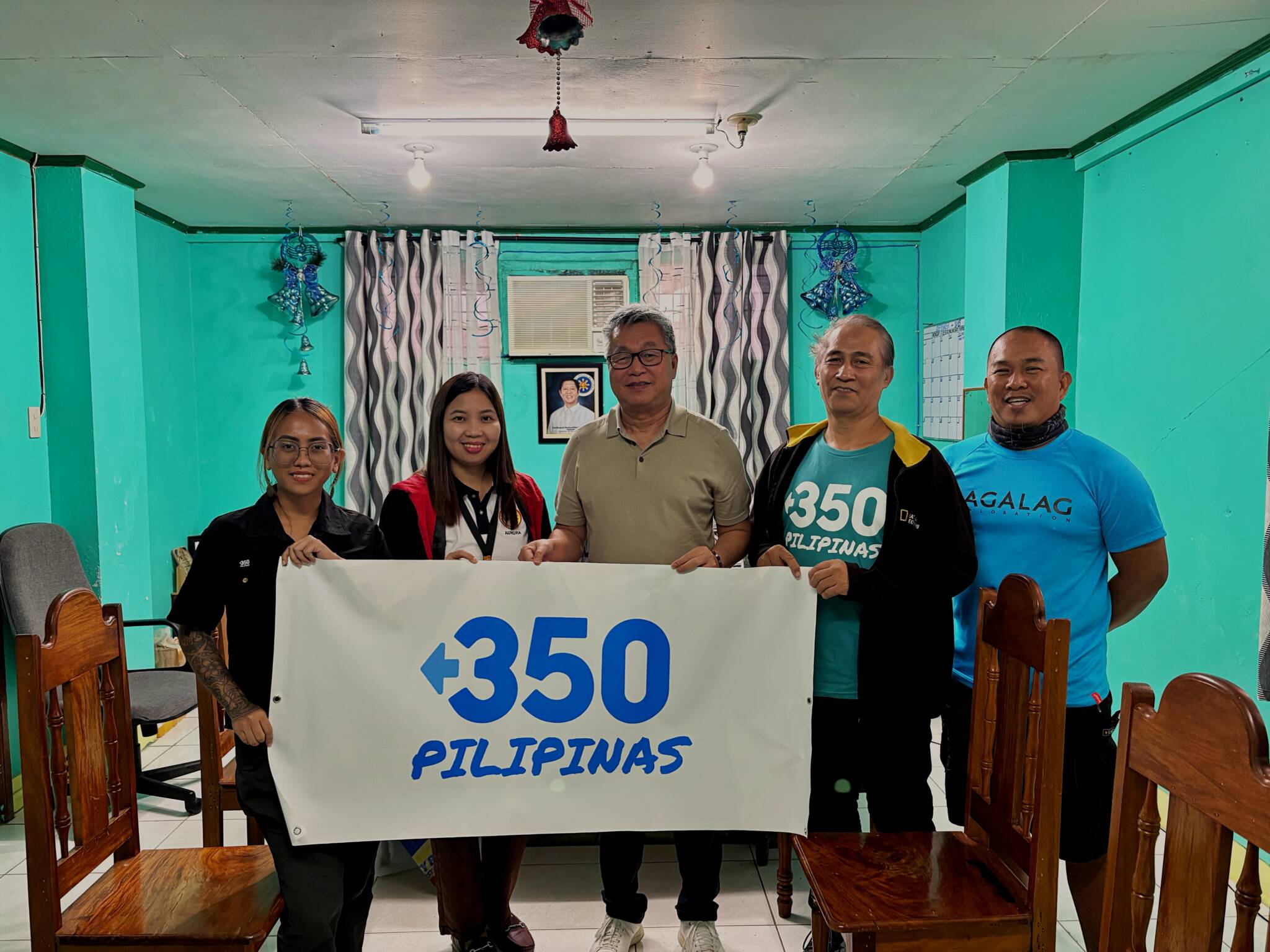
We also shared our current project in Kalayaan National High School sustainable to develop classrooms powered by solar energy. This project serves as a living model of how renewable energy can directly support education while reducing costs and emissions, inspiring other communities to follow suit.
In our discussions, we emphasized how renewable energy can strengthen disaster preparedness. By powering barangay evacuation centers and offices, RE systems can ensure uninterrupted communication through internet services like Starlink and critical radio equipment. In a coastal town like Casiguran—where strong typhoons can leave communities disconnected from the grid for a week or more
Moving forward, we hope that each barangay could allocate infrastructure budget towards recognition of renewable energy as a worthwhile investment for their constituents. The more barangays that integrate RE projects, the greater the collective impact in reducing carbon emissions and advancing the just energy transition.
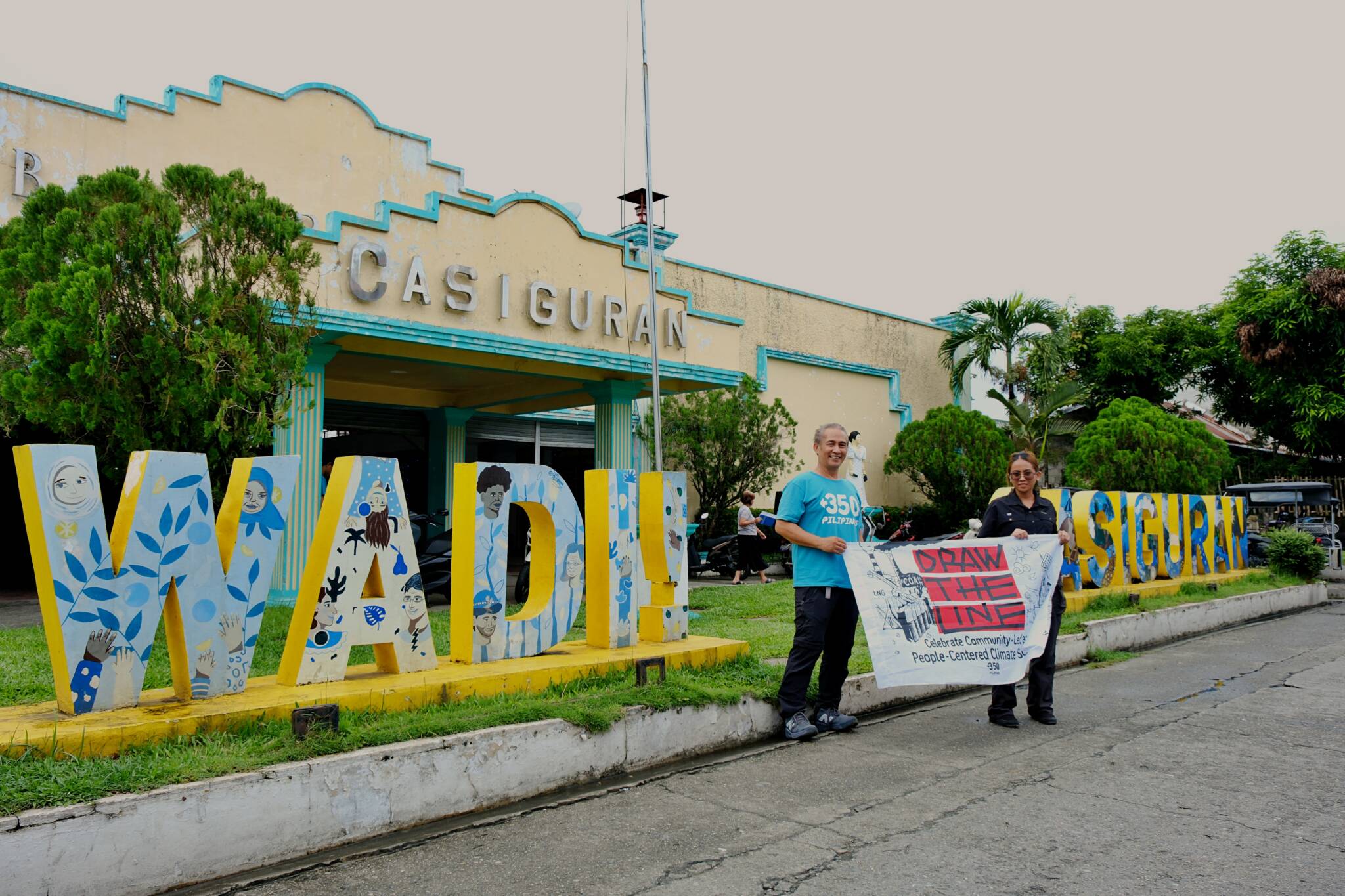
This visit marks an important step toward empowering local leaders to draw the line towards renewable energy initiatives, ensuring that the transition is community-led, resilient, and inclusive.