
Nadia Cruz
Yesterday, during the Day of Action Against Incineration, the Manila Anti-Incinerator Alliance was launched at San Pablo Apostol Parish Church.
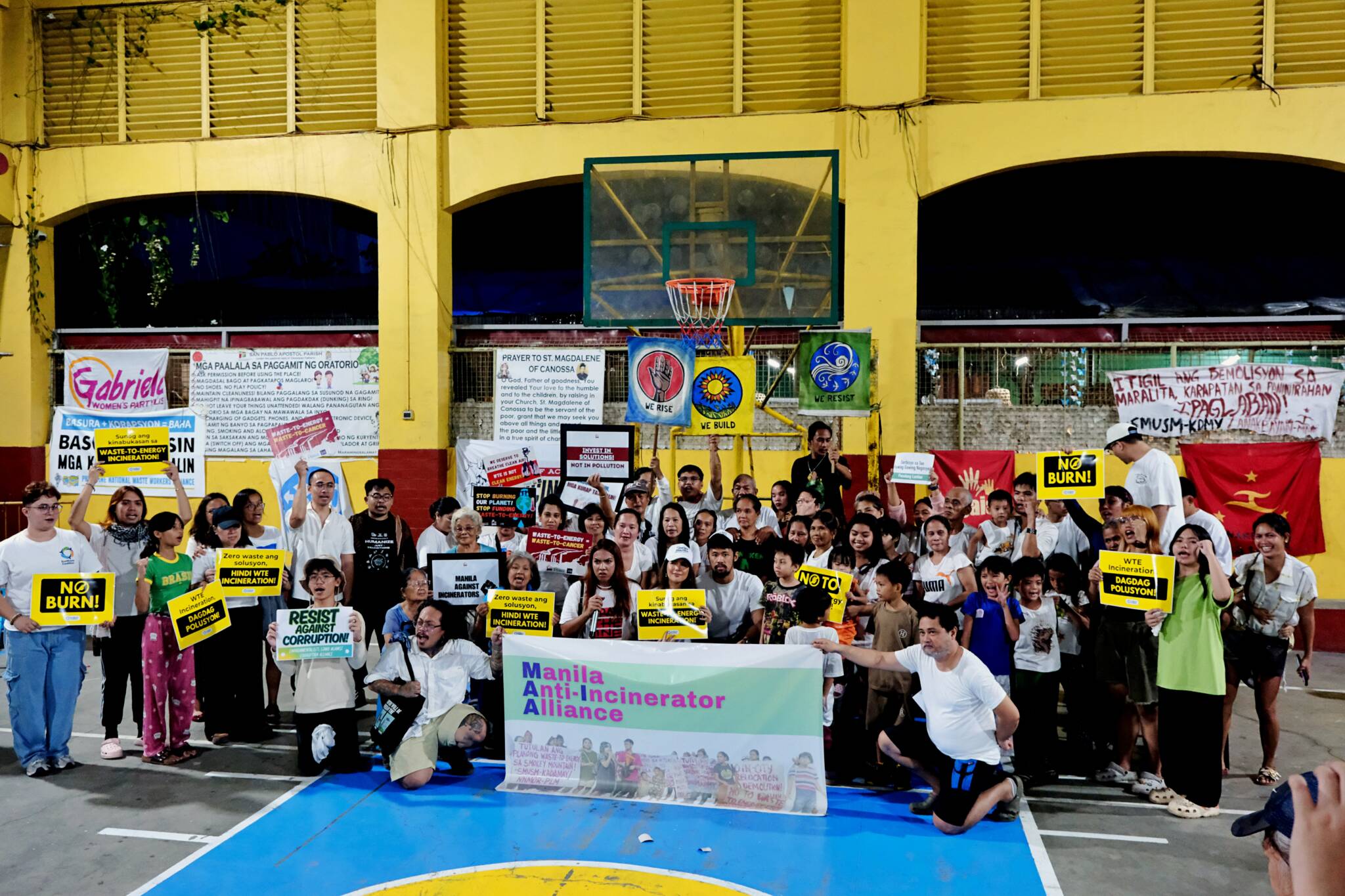
Community members, CSOs join for a group photo during the Day of Action Against Incineration: “Invest in Solutions, Not Pollution” Activity held at Tondo, Manila. Photo: Nadia Cruz
The people’s alliance is composed of community members, waste pickers, and anti-incineration advocates and shares the urgent call to uphold the national ban on incineration and to advance comprehensive and empowering solutions.

The activity started with a mass held at San Pablo Apostol Parish Church. In commemoration of the 10th year of Laudato Si and the Season of Creation, frontline communities, faith leaders, artists, and advocates are coming together in support of the Smokey Mountain, Tondo communities. Photo: Nadia Cruz
“Incineration is not progress — it is pollution disguised as development. In a country already struggling to meet air quality standards, every new incinerator means more toxic smoke for our children to breathe. If we truly want sustainable cities, we must reject waste-burning and invest instead in zero waste systems and community-driven renewable energy — solutions that clean our air, protect livelihoods, and make our cities livable, breathable, and just.” said Fread De Mesa, National Coordinator of 350 Pilipinas.
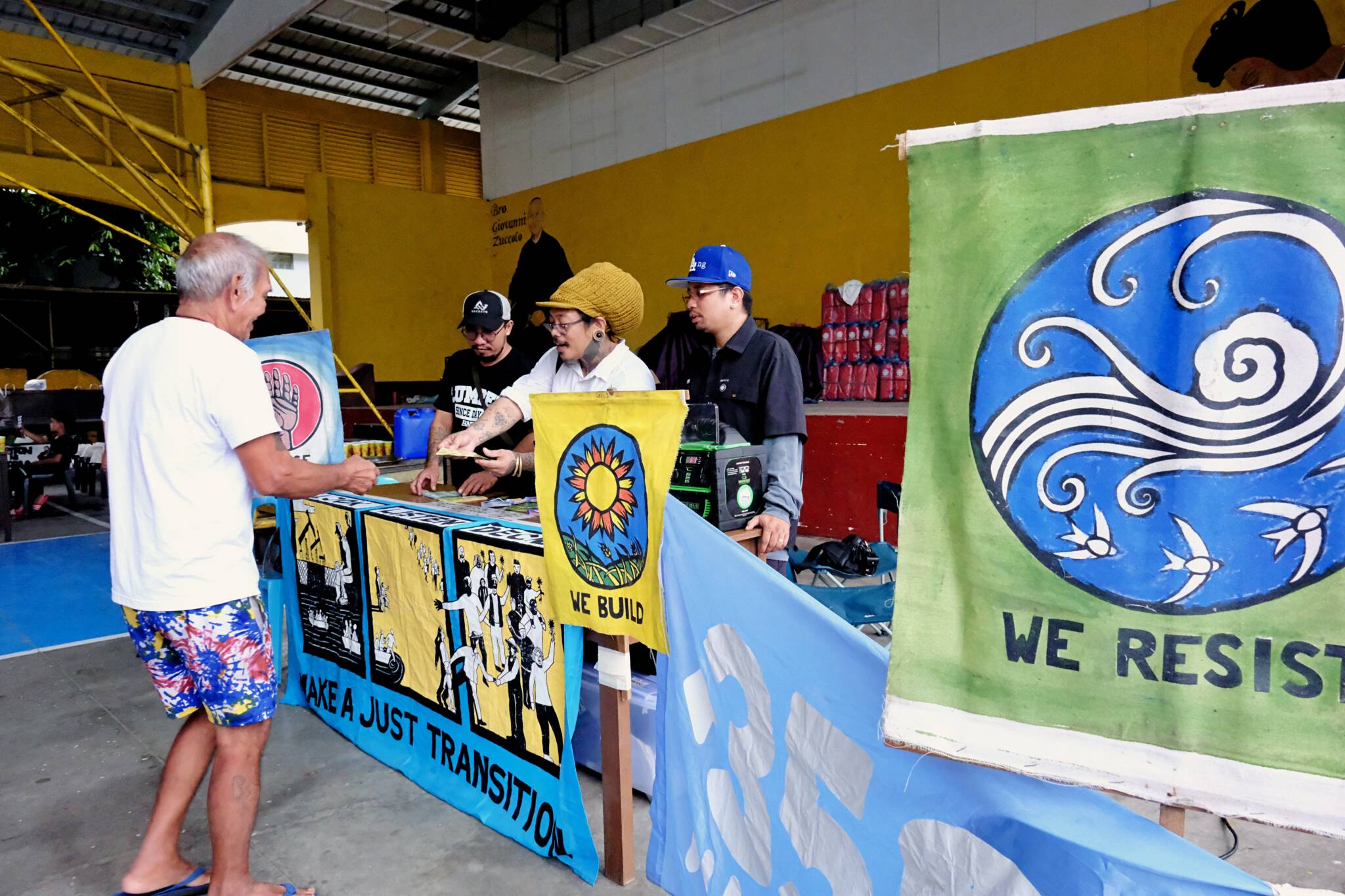
350 Pilipinas set up a booth during the activity, providing free device charging, powered by solar energy. Photo: Nadia Cruz
Amid ongoing controversies surrounding corruption in flooding projects, a ₱26 billion Waste-to-Energy (WTE) facility has been aggressively promoted in Smokey Mountain, Tondo. The project has been presented as a combined solution to Manila’s flooding and waste problems, despite the existing national ban on waste incineration.
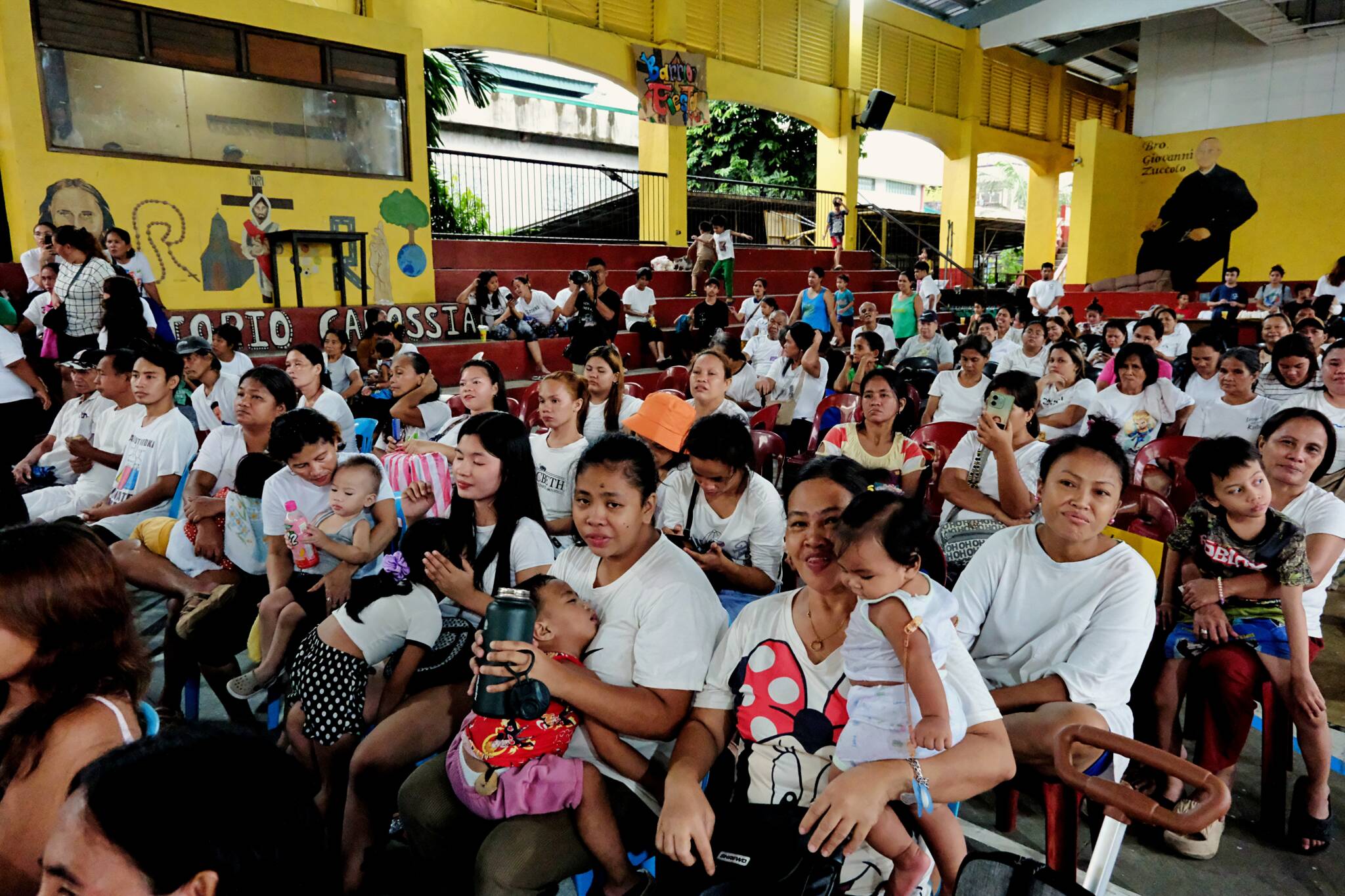
Community members attending the solidarity event. Photo: Nadia Cruz
Incinerators, often promoted under misleading terms such as “waste-to-energy,” “energy-from-waste,” or “thermal treatment,” do not make waste disappear. Instead, they convert waste into toxic byproducts such as hazardous ash, air pollution, and wastewater that endanger public health, livelihoods, and the climate.
According to Global Alliance for Incinerator Alternatives (GAIA), governments and international financial institutions (IFIs), led by the Asian Development Bank (ADB), continue to invest heavily in waste-burning technologies. Since 2015, GAIA’s monitoring has shown that the Bank has financed at least $15.3 billion across 48 incineration and co-incineration projects in the Asia Pacific region.
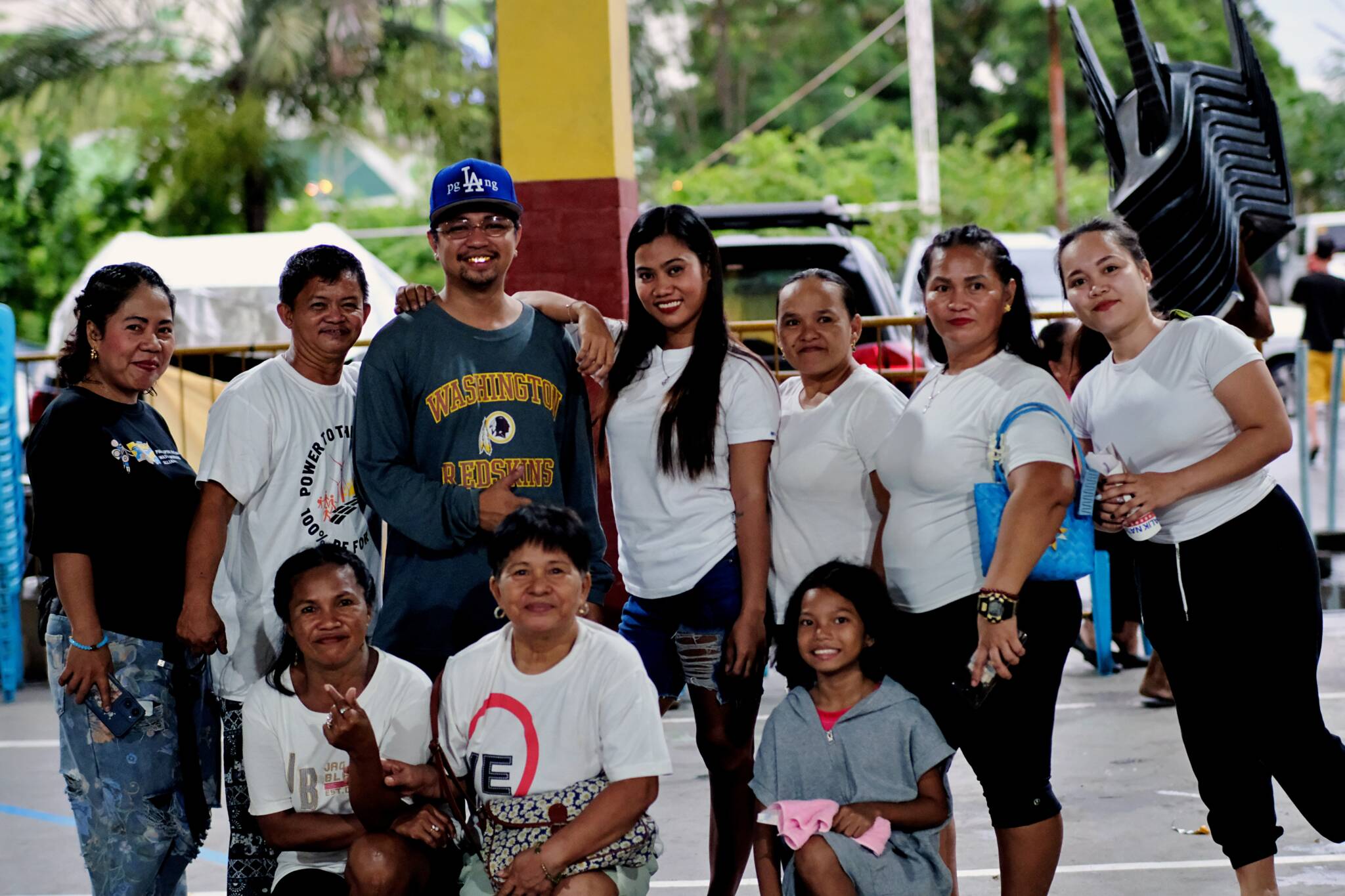
Members of the communities in Tondo, 350 Pilipinas, and Philippine National Waste Workers Alliance pose for a group photo during the solidarity event. Photo: Nadia Cruz
350 Pilipinas expresses solidarity with the alliance and emphasizes that moving away from fossil fuel dependency must not be equated with funding waste-to-energy projects. Instead, there is an urgent need to invest in zero waste systems and community-driven renewable energy. These solutions clean the air, safeguard livelihoods, and create livable, breathable, and just cities.
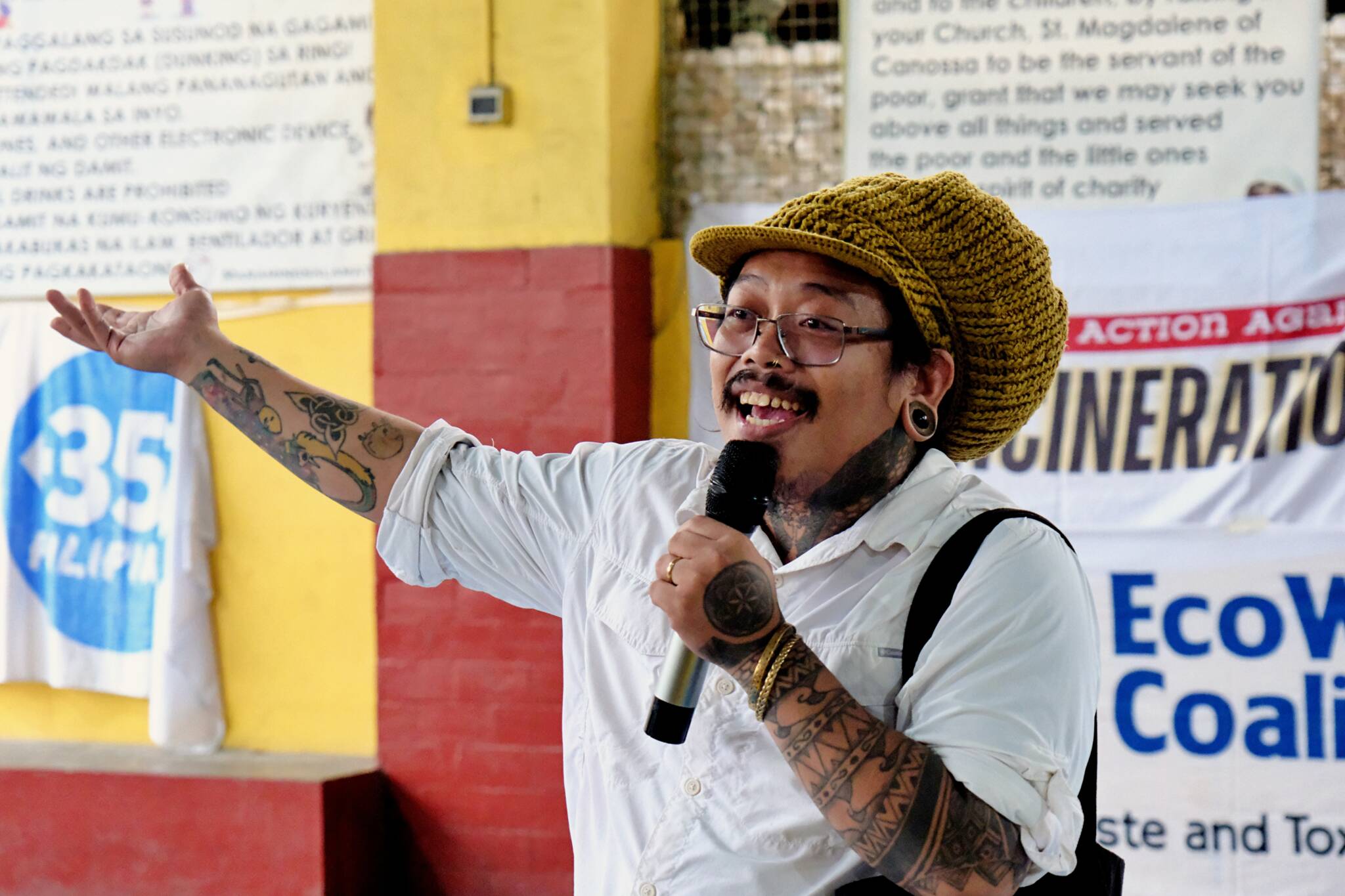
350 Pilipinas’ National Coordinator, Fread De Mesa, delivered a solidarity message emphasizing that building incinerators would only worsen air quality and endanger community health. He stressed that addressing the waste problem must begin at the point of production. Photo: Nadia Cruz
Zero waste strategies, including source segregation, composting, safe and non-toxic recycling, and the redesign of products and systems to reduce waste, have been underscored as healthier, more affordable, job-generating, and climate-friendly alternatives.

Geneva Cruz, a renowned Filipino singer based in Manila, serenaded the community with songs popularized by Smokey Mountain. Photo: Nadia Cruz